

For example
New room, same foundation.
The ERP integration built for invoice checks can also prepare the reply to a supplier query. For each new application, we check which data, rules and access it needs.
Your AI infrastructure partner
We develop AI applications for your workflows and the foundation they run on. Independent of any single AI vendor, flexible on models, hosted in the EU cloud or on your own premises.






Our main lesson from more than 50 AI projects
Check invoices · Prepare enquiries · Analyse product data
Knowledge · Workflows · Integrations · Rules
ERP · CRM · Email · Documents
The electricity comes from AI models: OpenAI today, Anthropic tomorrow, perhaps a local model after that. Changing your electricity provider does not mean rebuilding the house.
Understand AI infrastructureFor example
The ERP integration built for invoice checks can also prepare the reply to a supplier query. For each new application, we check which data, rules and access it needs.
If existing software covers your needs, we recommend using it. Check where your knowledge, workflows and integrations end up: whatever you build on a vendor's platform stays there, under its rules and prices. Custom development makes sense where your workflows need their own logic, system connections or specific controls.
Case studies
Some projects start with a time-consuming workflow, others with a new feature for your customers. Here are three of them, starting with invoice checks at babyartikel.de.
Client project · FinanceThe workflow uses information from invoices, goods receipts and agreed terms.
Finn checks the information and prepares an export for DATEV.
The team reviews discrepancies. Agreed rules determine approvals.
Simplified illustration of the project workflow.
Simplified illustration of the project workflow.
Simplified illustration of the project workflow.
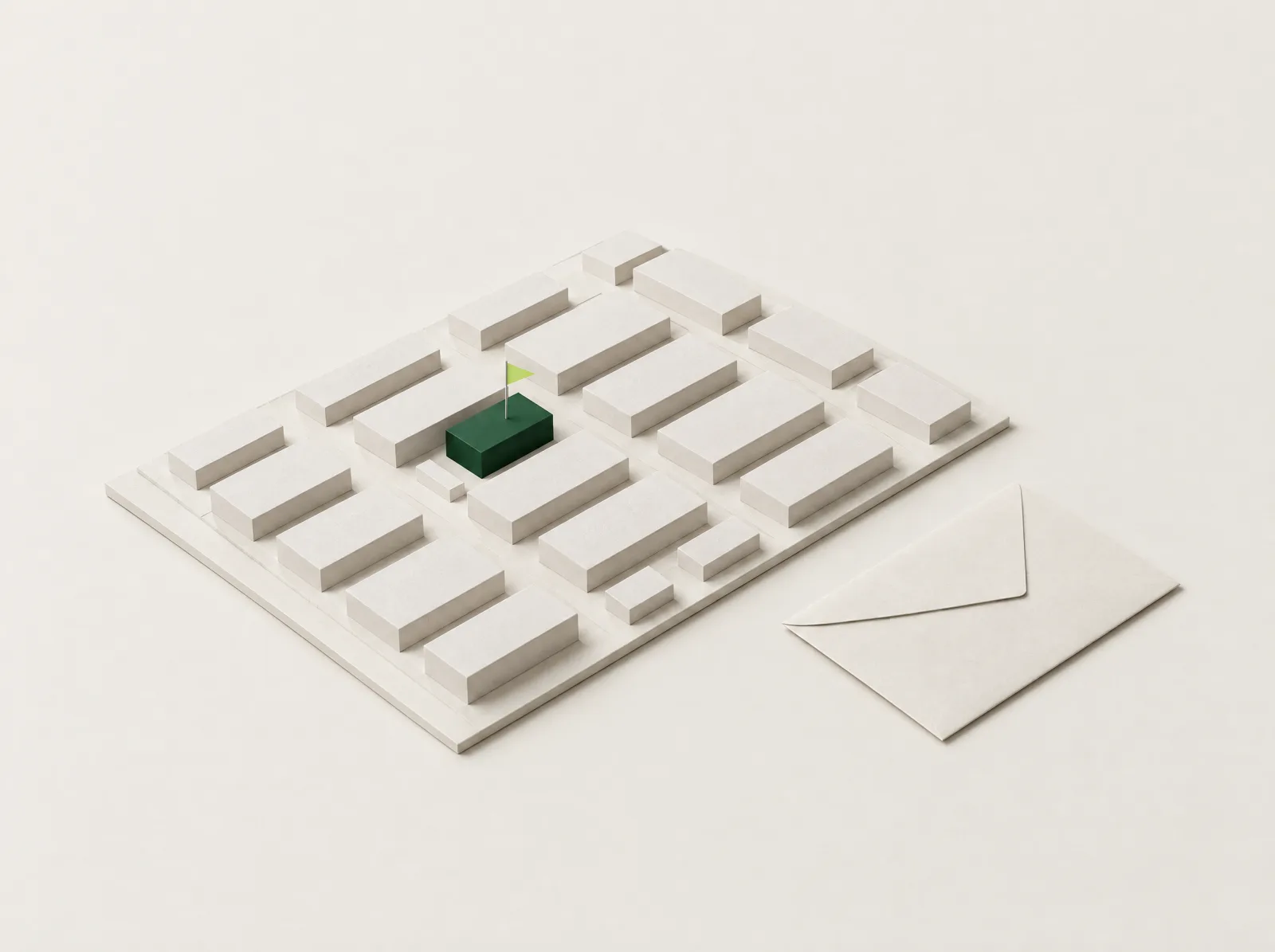 Master data matched · case created in the CRM
For Burgenland Messe, Eva reads exhibitor enquiries from emails, PDFs and forms. It compares the details with master data and creates the case in the CRM.
Explore the operations project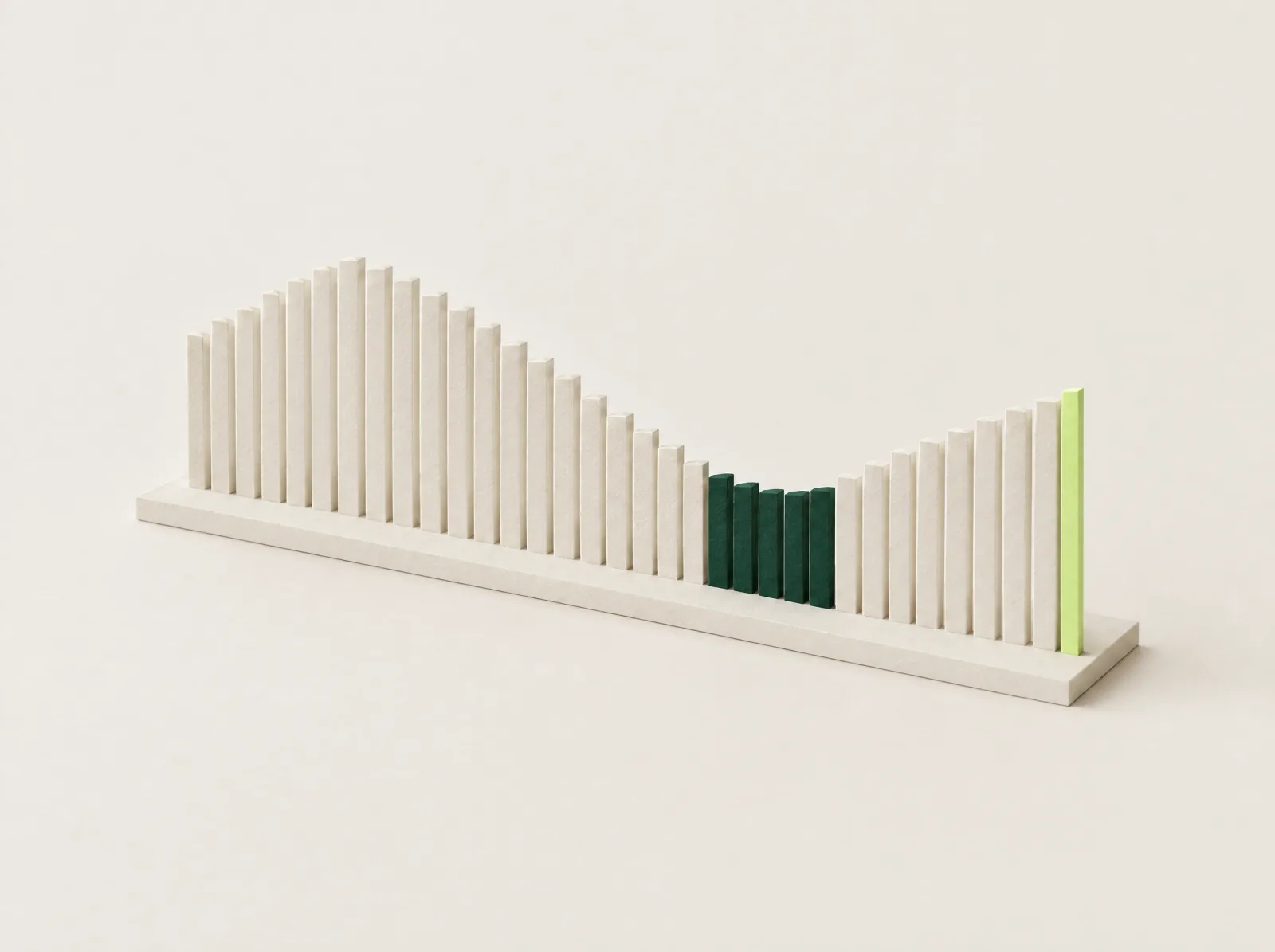 Sleep data analysed · following sleep² guidelines
In the sleep² app, sleep data turns into tens of thousands of personal analyses every day, in more than 15 languages. The terminology and guidelines defined by sleep² shape the content.
Explore the sleep² projectWorking together
We establish the value and technical feasibility before you commission the build. Together we define scope, acceptance criteria and responsibilities.
Bring a workflow, a product idea or an open question. We look at where you are today.
We test data and systems using real cases. This informs the business case, technical concept and proposal.
We build the agreed scope at a fixed price and review the result with your business and IT teams.
You receive code and documentation. Together we agree the handover, ongoing operation and possible extensions.
Several ideas, or none that is clear yet? In the AI Compass you assess possible use cases with us before any budget goes into a build.
See the AI CompassSometimes your leadership team first needs a shared picture of what AI can do in a company today and where its limits are. Sebastian Podesser covers this in a keynote, with examples from project work.
See the keynoteVoices
The workshop with thirdmind showed very clearly: AI is not for lazy people, but for those who want to do more. Many small adjustment screws became tangible because the big picture was clearly organized.
 Katrin PascherProduct Owner / Brand Management · Wien Energie
thirdmind helped us develop the AI-based sleep coach for our sleep² app with strong technical care. The structured project management, clear scoping, and specific implementation for our application were especially valuable. Without thirdmind, we would not have reached this level of quality.
 Dr. Thomas WinklerCEO · nukkuaa GmbH / sleep²
Finn does not replace accounting for us. It takes over the preliminary checks. That is exactly the part that takes time every day: comparing invoices with goods receipts, master data, and conditions, and surfacing only the cases that need attention.
thirdmind quickly developed a clear architecture, structured data logic and a functioning GenAI-first prototype from complex requirements. The collaboration was pragmatic, technically strong and always focused on implementation.
 Samir ShehataHead of Product · Wertstatt8 / Energie AG
How we work
The price for the agreed scope is set before we start. We do not bill by the hour. Additional requirements are agreed separately.
At the end of the project, we hand over the custom source code and documentation. Third-party software and models retain their own licences.
In the key phases, our developers work at your premises: process mapping, integration, joint testing. Direct contact instead of long rounds of back-and-forth.
You run the solution yourselves, we run it, or another provider does. We agree the handover together.
A partner you can replace at any time has to earn its place every month.

Your implementation partner
Your operational team and IT are involved from the start. Together, we define requirements, test real cases and prepare for operation. Sebastian and Lukas are your points of contact.
Responsible for architecture, system integration and engineering.
Turns your business workflows into concrete AI applications.
Before we start
Start with recurring work that takes time or holds up a process. We look at the data, systems and exceptions involved. The use-case check establishes whether implementation is worthwhile.
We build around your existing environment and check which interfaces are available. An existing AI platform may cover part of the need. Custom workflows can complement it.
We need a process owner, representative cases and agreed system access. Together we define approvals and test the application. Required contributions and on-site sessions are included in the proposal.
The use-case check prepares the basis for an individual fixed-price implementation proposal. Scope, responsibilities and acceptance criteria are agreed in advance. Changes and ongoing operation are arranged separately.
That depends on the agreed architecture. We clarify which data is processed in which system and by which model provider before implementation. EU cloud and local setups are assessed with your IT team.
Yes. Knowledge, workflows, integrations and rules form your infrastructure, and the model plugs into it. If you move to another vendor or a local model, this foundation stays in place. Technical adjustments and a test with your own cases may be needed, but not a rebuild of the application.
You receive the custom code and agreed documentation and access. Your IT team or another provider can take over, subject to the required technical skills and third-party licences. We agree the handover and responsibilities.
First conversation
Together we look at a workflow that costs you time today. Afterwards you know whether a closer assessment is worthwhile. No obligation and no follow-up costs.
Book a short callSebastian Podesser · An introductory conversation
You do not need a fully defined use case yet.